Unlocking Success in Global Commerce: The Power of Air Cargo International
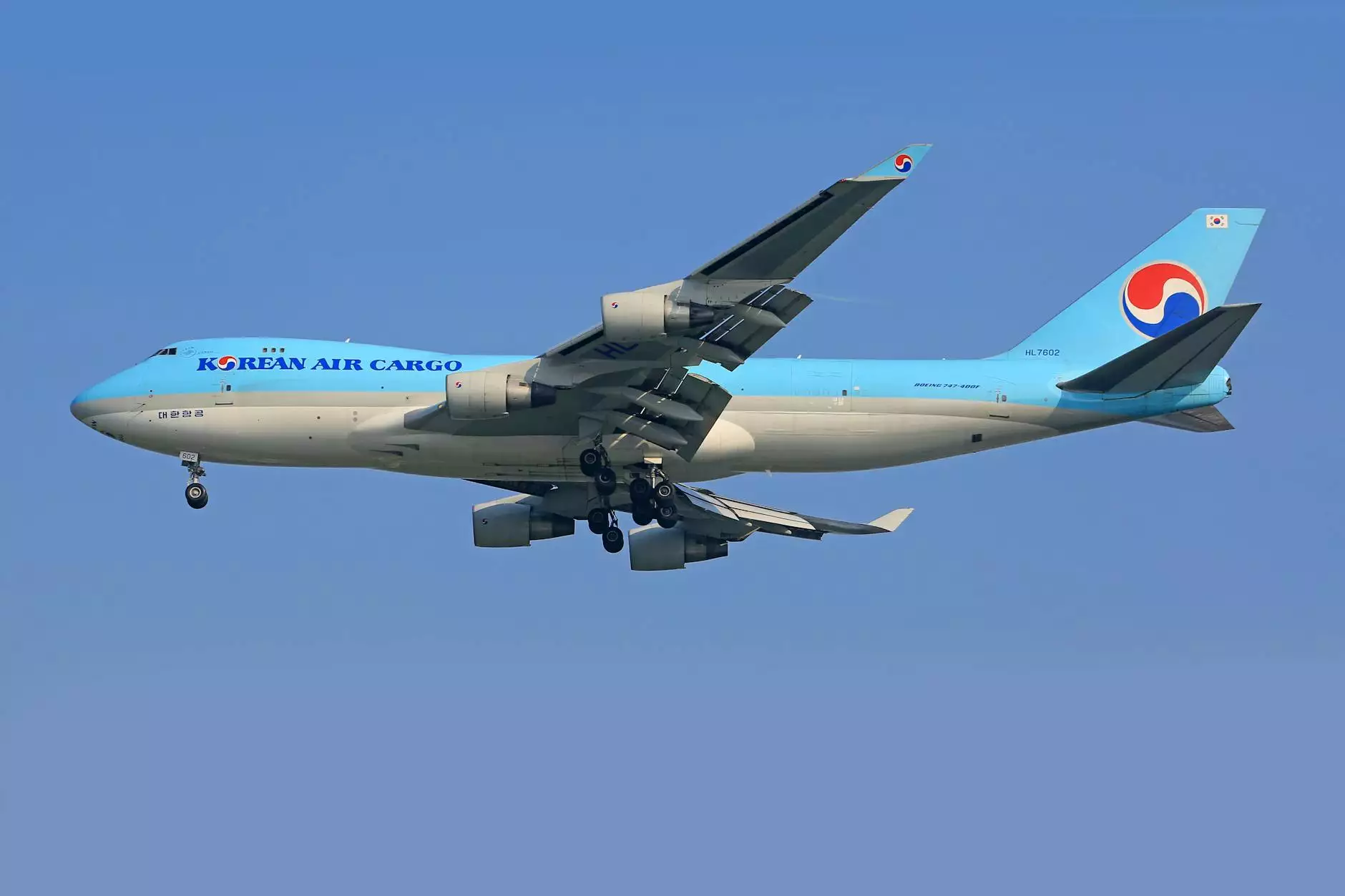
In an era where speed, reliability, and global connectivity define the success of modern business operations, air cargo international stands at the forefront of revolutionizing how goods are transported across continents. From small enterprises to multinational corporations, the shipping of goods via air freight has become the backbone of international trade, ensuring rapid delivery and seamless supply chains.
Understanding the Significance of Air Cargo International in Global Business
The concept of air cargo international pertains to the movement of goods by air across multiple countries and continents, leveraging a complex network of airports, transportation modes, and shipping centers. Unlike maritime or land freight, air cargo offers unmatched speed, security, and flexibility, making it indispensable for industries such as pharmaceuticals, technology, fashion, perishables, and automotive sectors.
As global demand increases, the importance of streamlined air cargo international logistics cannot be overstated. Businesses that optimize their air freight operations can enjoy significant competitive advantages, including faster time-to-market, reduced inventory costs, and access to emerging markets.
The Core Components of a Thriving Air Cargo International Ecosystem
1. Shipping Centers: The Hubs of Air Cargo Operations
Shipping centers, or freight hubs, serve as critical nodes within the air cargo international network. These centers facilitate efficient sorting, consolidation, and distribution of goods. Modern shipping centers are equipped with state-of-the-art technology, allowing for real-time tracking, customs clearance, and cargo handling.
- Strategic Location: Positioned near major airports to minimize transit times.
- Advanced Infrastructure: Equipped with high-speed conveyors, automated storage, and cargo management systems.
- Customs and Regulatory Compliance: Streamlined procedures to facilitate rapid clearance.
- Integration with Logistics Providers: Partnerships with global courier and freight companies to expand reach.
2. Transportation Networks Fueling Air Cargo International
The effectiveness of air cargo international relies heavily on integrated transportation networks that connect airports with hinterland regions. These networks include trucking, rail, and sometimes maritime shipments that facilitate last-mile delivery and intermodal transfers.
- Ground Transportation: Specialized trucking fleets handle cross-country and urban deliveries efficiently.
- Rail Connections: Ideal for bulk cargo movements over land, especially in regions with comprehensive rail infrastructure.
- Sea and Maritime Links: Crucial for oversized or heavy cargo, complemented with air freight for urgent shipments.
- Innovative Logistics Solutions: Use of GPS tracking, AI-driven routing, and real-time cargo monitoring to optimize flows.
3. Airports: The Gateways to International Trade
Airports are pivotal in air cargo international operations. Modern airports are designed not only for passenger traffic but also to serve as dedicated freight hubs capable of handling high volume and complex cargo requirements.
Advanced airport infrastructure includes specialized cargo zones, refrigerated storage for perishables, secure zones for high-value goods, and customs processing facilities that expedite clearance procedures. The integration of airport operations with ground transportation and shipping centers creates a seamless logistical environment vital for timely deliveries.
Why Air Cargo International Continues to Grow and Innovate
The growth of air cargo international is driven by several factors that underscore its critical role in global business:
- Globalization: Companies expanding into international markets rely on fast, reliable transportation.
- Technological Advancements: Innovations like drone deliveries, automation, and AI optimize logistics efficiency and reduce costs.
- Demand for Perishables: Fresh produce, pharmaceuticals, and other time-sensitive goods require rapid transit.
- E-commerce Boom: The rise of online shopping demands nimble logistics that can handle high volumes of small, urgent parcels.
- Supply Chain Resilience: Diversified transportation options enhance resilience against disruptions.
Benefits of Embracing Air Cargo International for Business Growth
Integrating air cargo into your supply chain offers numerous strategic advantages:
- Faster Delivery Times: Reduce transit from days or weeks to mere hours, enhancing customer satisfaction.
- Global Reach: Access new markets across continents with ease.
- Inventory Optimization: Minimize warehousing costs by shipping just-in-time inventories.
- Enhanced Security: Air freight provides robust security measures against theft and damage.
- High-Value Goods Handling: Efficiently manage expensive and sensitive products requiring specialized handling.
Optimizing Your Air Cargo International Strategy with Cargobooking.aero
For businesses seeking to maximize the benefits of air cargo international, partnering with innovative logistics platforms like cargobooking.aero is essential. Offering comprehensive cargo booking solutions, real-time tracking, and integrated customs clearance, Cargobooking.aero simplifies complex international shipping processes.
The platform provides easy access to a global network of shipping centers, transportation providers, and airport logistics facilities, ensuring your shipments are handled efficiently and securely from departure to delivery.
Key features include:
- Instant Quotes: Competitive pricing for air freight to any destination.
- Real-time Shipment Tracking: Stay updated on your cargo’s status at every step.
- Customs Documentation Support: Simplify regulatory compliance processes.
- Integrated Dispatch Management: Coordinate transportation modes seamlessly.
- Customer Support: Expert guidance and troubleshooting around the clock.
Emerging Trends Shaping the Future of Air Cargo International
As technology advances and global demand surges, the future of air cargo international will be characterized by continued innovation and sustainability:
- Green Aviation: Adoption of greener aircraft and sustainable fuels to reduce carbon footprint.
- Digital Transformation: AI, blockchain, and IoT to create transparent, efficient, and secure supply chains.
- Automation: Use of robotics and autonomous vehicles in warehouses and terminals.
- Capacity Expansion: New airports and expansion projects to accommodate increasing cargo volumes.
- Enhanced Resilience: Diversified routes and contingency planning to withstand disruptions.
Conclusion: Embracing Opportunities in Air Cargo International
The rapidly evolving landscape of air cargo international offers unprecedented opportunities for businesses willing to innovate and adapt. By leveraging cutting-edge platforms like cargobooking.aero and embracing the core components—shipping centers, transportation networks, and airports—companies can unlock new markets, reduce operational costs, and maintain a competitive edge on the global stage.
The strategic integration of air freight into your supply chain isn’t just a trend but a necessity for sustainable growth in today’s interconnected economy. With continuous advancements and a focus on sustainability and technology, air cargo international will remain a vital driver of international trade and economic development.
air cargo international